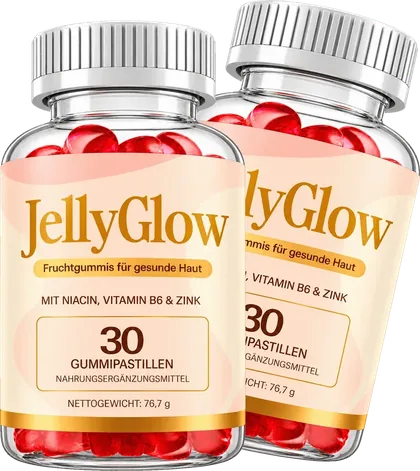
JellyGlow Gummies and antibiotics are a pairing to check with a pharmacist first, because the gummies contain zinc, and zinc can reduce how well some antibiotics are absorbed1.
The amount is small: 1.5 mg of zinc per gummy, listed as zinc citrate2. But small does not mean the question is closed. Antibiotics are prescribed for a specific infection, and your pharmacist knows which one you were given. This page explains which antibiotic types the NIH names, what else in the gummy is worth a mention, and the exact questions to ask. We are an independent information site, not the seller, and nothing here replaces advice from the person who prescribed your medicine.
01Why do antibiotics and JellyGlow Gummies need a pharmacist check?
They need a check because zinc can bind to certain antibiotics in the gut, and the label on your prescription may not mention a supplement you bought separately.
The NIH fact sheet on zinc says zinc reduces the absorption of quinolone and tetracycline antibiotics1. The NIH advises taking the antibiotic at least 2 hours before, or 4 to 6 hours after, zinc. That is general guidance for zinc supplements. It is not a schedule for you.
The general principle is covered by NCCIH: supplements and medicines can interact, and you should tell every provider about everything you take3. The gummy is a food supplement, so it is easy to forget to mention. Mention it anyway. Our medications page lists the other medicine types worth a question.
02Which antibiotic types does the zinc in JellyGlow Gummies matter for?
The NIH names two antibiotic families for zinc: quinolones and tetracyclines. Other antibiotics are not named in that source, which does not tell you they are unaffected.
| Antibiotic type | What the NIH says about zinc | What to do |
|---|---|---|
| Quinolone | Zinc reduces absorption1 | Ask your pharmacist about spacing |
| Tetracycline | Zinc reduces absorption1 | Ask your pharmacist about spacing |
| Any other antibiotic | Not covered by that fact sheet | Ask; do not assume it is fine |
If you do not know which family your antibiotic belongs to, the pharmacy label or the pharmacist can tell you in seconds. Bring the jar, or a photo of the nutrition panel, so they can see all nine ingredients and their amounts.
03Is 1.5 mg of zinc enough to matter?
Nobody can say for certain. The label lists 1.5 mg of zinc per gummy, which is 15% of the EU reference value2 and about 14% of the US Daily Value by our arithmetic4.
The NIH upper limit for zinc from all sources is 40 mg a day1, so one gummy is far below it. But the antibiotic question is about absorption, not about reaching a limit. We found no study that tested this exact gummy with any antibiotic, so we cannot tell you the effect is zero or large.
That uncertainty is why the safe move is a question, not a guess. Zinc from other sources adds up too: a multivitamin, a cold lozenge or a hair-skin-nail product may carry more. Count everything when you talk to the pharmacist.
One more practical point: the gummies are one a day, so the question is about a daily habit rather than a single dose. If your antibiotic is taken several times a day, the pharmacist has more to work out, which is another reason to ask early rather than after the first dose.
04Do the other ingredients in JellyGlow Gummies matter with antibiotics?
Mostly they matter less, but a few are worth naming to your pharmacist so they can judge for themselves.
- Vitamin B6 (2 mg): the NIH lists an interaction with cycloserine, an antibiotic used in some tuberculosis regimens5.
- Niacin (25 mg NE): the NIH says some tuberculosis medicines can lower niacin levels6.
- Panax ginseng (2 mg of a 20:1 extract): NCCIH says it may interact with medicines7.
None of these is a reason to change anything yourself. They are reasons to hand your pharmacist the full ingredient list. The seller page also tells you to consult a doctor if you take medication8.
05What should you ask your pharmacist about JellyGlow Gummies and antibiotics?
Ask whether your specific antibiotic interacts with zinc, and if so, how your pharmacist wants any supplement timed around your doses.
- Which family is my antibiotic in, and does zinc affect it?
- Should I wait on the gummies until the course is finished, or is there a safe gap?
- Do any of the other eight ingredients matter for my prescription?
- Does my infection or my other medicines change the answer?
Antibiotics themselves can cause nausea or an upset stomach, and so can zinc in larger amounts1. If you feel unwell, tell your clinician about both. Get medical help for a severe rash, swelling, trouble breathing or fainting. Never skip or shorten an antibiotic course on your own, and do not change when you take your antibiotic without asking. If your pharmacist says to hold off on the gummies, that is their call to make, not ours. The side effects page covers warning signs, and the safety page covers who should ask first.
Safety: JellyGlow is for adults 18 and over. The label says it is not for pregnant or nursing women. Its vitamins add up with other supplements, and it lists botanicals with limited safety data, including ginseng and L-citrulline, which can matter with medicines for blood sugar, blood pressure or erectile dysfunction. If you have a medical condition or take any medicine, ask your doctor or pharmacist before use. Never change a prescribed medicine on your own. Stop and get medical help for a severe rash, swelling, trouble breathing, fainting, or yellow skin or eyes.
Frequently asked questions
Does the zinc in JellyGlow Gummies affect tetracycline or quinolone antibiotics?
It may. The NIH says zinc reduces absorption of these two antibiotic types, and each gummy has 1.5 mg of zinc. Ask your pharmacist how to time them.
How long should I leave between JellyGlow Gummies and an antibiotic dose?
We cannot set that for you. The NIH gives a general zinc spacing for quinolone and tetracycline antibiotics, but your pharmacist should confirm what applies to your prescription.
Do I need to mention JellyGlow Gummies to the prescriber of my antibiotic?
Yes. Tell your doctor or pharmacist about every supplement, including the nine ingredients on the JellyGlow label, so they can check your prescription against them.
Is it enough to show a pharmacist the JellyGlow Gummies jar?
Yes, bringing the jar or a photo of the nutrition panel helps, because it shows each ingredient and amount. The pharmacist can then judge the combination.