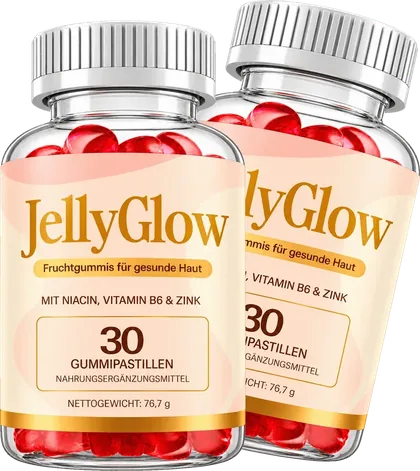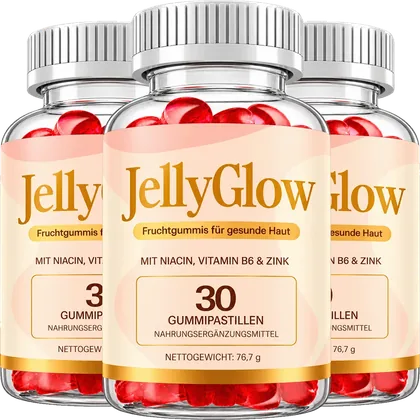
On the JellyGlow Gummies label, "20:1 extract" is a concentration ratio: in general use it means about 20 parts of starting plant material went into making 1 part of finished extract. Four botanicals on the label carry it: maca root, grape seed, Panax ginseng root and rhodiola root1.
The ratio is easy to misread. It sounds like a strength rating, and some sales pages turn it into big "equivalent" numbers. In fact it describes how the extract was made, not what is in it. It does not tell you how much of any active compound the extract holds, and the label gives no further detail on how the extracts were prepared.
This page explains what the ratio can and cannot tell you, walks through the four amounts on the label, and shows why tiny botanical amounts make it hard to compare JellyGlow with published research. We are an independent information site; nothing here says what JellyGlow will do for you.
01What does 20:1 mean on JellyGlow Gummies?
On JellyGlow Gummies, 20:1 means each botanical extract was concentrated from roughly 20 times its weight in starting plant material. That is the general meaning of a drug-to-extract ratio.
Making an extract usually involves soaking a dried root or seed in a liquid, drawing out some of its compounds, then removing the liquid. What is left weighs much less than the plant you started with. If 20 kg of dried maca root ends up as 1 kg of extract powder, the ratio is 20:1. The label prints the ratio next to four ingredients: "Maca Root 20:1 Extract", "Grape Seed 20:1 Extract", "Panax Ginseng Root 20:1 Extract" and "Rhodiola Rosea Root 20:1 Extract"1.
Three details are missing from the label we hold, and each one matters:
- Whether the starting plant was weighed fresh or dried. Fresh roots hold a lot of water, so the same ratio can mean very different things.
- Which liquid was used to draw out the compounds. Water, alcohol and mixtures pull out different substances.
- Whether any carrier, such as a starch or sugar, was added to the extract powder before it was weighed.
None of that is unusual for a food supplement label, but it means the ratio on its own is a rough description of a process, not a measure of what you are eating.
02Does a 20:1 ratio make a JellyGlow Gummies extract stronger?
A 20:1 ratio does not by itself make a JellyGlow Gummies extract stronger. It says how much plant went in, not how much of any useful compound came out.
Two extracts with the same 20:1 ratio can hold very different amounts of the compounds researchers study, because plants vary from harvest to harvest and the extraction method decides what gets kept. A higher ratio can even mean more of the plant was thrown away along the way. So when a page uses the ratio to call an ingredient "20 times stronger", it is reading more into the number than the number holds.
The more useful question is whether an extract is standardized, which we cover below. For a whole-label view of each active, see our ingredients page.
03How should you read the JellyGlow Gummies botanical amounts?
Read the JellyGlow Gummies botanical amounts as the weight of finished extract in one gummy. That is 195 mg of maca, 2 mg each of grape seed and ginseng, and 1 mg of rhodiola1.
The ratio is a separate fact about how each was made.
The table below sets out those amounts. The last column shows what the ratio would imply in starting plant material if it were a simple weight-for-weight figure. That is our arithmetic, not a figure on the label or the seller page, and because of the gaps listed above it should be read as a rough upper picture of the plant used, not as an amount you are taking.
| Botanical (per gummy) | Extract on label | Ratio | Starting plant, if simple weight ratio |
|---|---|---|---|
| Maca root | 195 mg | 20:1 | about 3,900 mg (3.9 g) |
| Panax ginseng root | 2 mg | 20:1 | about 40 mg |
| Grape seed | 2 mg | 20:1 | about 40 mg |
| Rhodiola root | 1 mg | 20:1 | about 20 mg |
The label marks all four with "**", meaning no Nutrient Reference Value has been set for them1. That is normal for plant extracts; it is not a warning, but it does mean there is no official daily reference to compare the amounts against. The same is true of L-citrulline and L-carnitine, which are not extracts and carry no ratio.
04Is 195 mg of JellyGlow Gummies maca equal to 3.9 g of maca root?
No, 195 mg of JellyGlow Gummies maca extract should not be read as equal to 3.9 g of maca root. That figure only describes the plant used to make it, under a simple reading of the ratio.
Maca is the largest active in the gummy by weight, at 195 mg of a 20:1 extract, and it is the fourth ingredient on the list after glucose syrup, water and sugar1. Its origin is described by the seller as the Andes2. When a sales page calls this "3.9 g of maca", it implies you get everything that was in 3.9 g of root. You do not: the extraction kept some compounds and left others behind, and the label does not say which.
What we can say is what research on maca itself looks like. Memorial Sloan Kettering describes human research as only a few small trials, and rates the evidence for sexual function and menopausal symptoms as limited3. One review it cites found maca is not an effective agent against aging. None of that tells you what a 195 mg extract in a gummy will do for you. People with a hormone-sensitive cancer such as breast or uterine cancer should talk to a provider before taking maca. More on our maca page.
05Are the JellyGlow Gummies extracts standardized?
The JellyGlow Gummies label does not say the extracts are standardized. A standardized extract states how much of a named marker compound it contains, and no such figure appears on the label we hold1.
Standardization is the detail that turns a vague extract into something you can compare. A ginseng extract, for example, can be labelled with a set percentage of the compounds researchers measure in that root. A ratio like 20:1 is not the same thing; it describes the process, while standardization describes the result.
The NIH Office of Dietary Supplements points out that supplement labels tell you what the maker says is inside, and suggests telling your health care providers about any supplement you take4. If the marker content matters to you, ask the order desk whether a certificate of analysis lists it. The seller page we read did not give one2.
06Why are tiny JellyGlow Gummies botanical amounts hard to compare with studies?
Tiny JellyGlow Gummies botanical amounts are hard to compare with studies because research usually tests a specific, often standardized extract, and the gummy's 1–2 mg amounts give too little detail to match.
Without knowing the marker content, there is no fair way to line up 2 mg of ginseng extract or 1 mg of rhodiola extract against an amount used in a trial. On top of that, the evidence base for these plants is thin on its own terms:
- Asian ginseng: most trials are small and short, and insomnia is the most common side effect reported5.
- Rhodiola: NCCIH says there is not enough reliable evidence to say whether it helps for any health purpose, and research is mostly of low to moderate quality6.
- Grape seed extract: studied for cholesterol and blood pressure with mixed results that are not definitive7.
So a statement that an ingredient "has been studied" says nothing about this gummy. It only describes what researchers looked at, often with different amounts and different preparations. Our how it works page explains why we keep that line firm.
07Do small JellyGlow Gummies extract amounts mean no safety questions?
Small JellyGlow Gummies extract amounts do not remove safety questions, because botanicals have limited safety data and some flags apply regardless of dose. Ask before you start if any of them fit you.
Ginseng may lower blood sugar, interfere with blood clotting and worsen autoimmune disorders5. Rhodiola has a reported interaction with losartan, a blood pressure medicine6, and maca increased losartan's effect in rats, with relevance to people unknown. Little is known about grape seed extract or rhodiola in pregnancy and breastfeeding, and the label already rules out use while pregnant or nursing.
The amounts also add up if you take other products with the same plants, such as a ginseng tea or a separate maca powder. Anyone who is pregnant, nursing, under 18, has a medical condition or takes a medicine should talk to a doctor or pharmacist first, and never change a medicine to fit a supplement. Our medications page and safety page cover the full list.
Safety: JellyGlow is for adults 18 and over. The label says it is not for pregnant or nursing women. Its vitamins add up with other supplements, and it lists botanicals with limited safety data, including ginseng and L-citrulline, which can matter with medicines for blood sugar, blood pressure or erectile dysfunction. If you have a medical condition or take any medicine, ask your doctor or pharmacist before use. Never change a prescribed medicine on your own. Stop and get medical help for a severe rash, swelling, trouble breathing, fainting, or yellow skin or eyes.
Frequently asked questions
What does 20:1 mean on JellyGlow Gummies?
It means each extract was made from roughly 20 parts of starting plant for every 1 part of finished extract. It describes the process, not how much of any active compound is inside.
Does 20:1 tell me the JellyGlow extract strength?
Not really. Two 20:1 extracts can hold very different amounts of the compounds researchers study, and the label gives no marker content for any of them.
Is JellyGlow maca 195 mg equivalent to 3.9 g of root?
Only in the narrow sense that about 3.9 g of plant may have gone into it, if the ratio is a simple weight ratio. You are eating 195 mg of extract, not the whole contents of 3.9 g of root.
Why are the JellyGlow botanical amounts for ginseng and rhodiola so small?
The label lists 2 mg of ginseng extract and 1 mg of rhodiola extract per gummy and gives no reason. We cannot say why, and those amounts cannot be fairly matched to amounts used in studies.
Is JellyGlow made with a standardized extract?
The label we hold does not say so, because it names no marker compound or percentage for any botanical. Ask the order desk whether a certificate of analysis lists one.