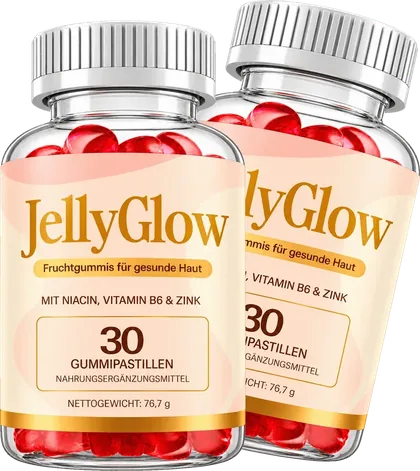
JellyGlow Gummies drug interactions come from their ingredients: L-citrulline, Panax ginseng, rhodiola, zinc, vitamin B6, L-carnitine and niacin each have known or possible interactions with certain medicines. If you take any prescription medicine, show the jar to a pharmacist before your first gummy.
This page is organized by medicine type, so you can go straight to the one you take. We are an independent information site, not the maker or seller. We report what health agencies say about each ingredient. We never suggest changing, pausing or stopping a medicine, and neither should any supplement site.
01How do JellyGlow Gummies interact with medicines?
Supplements can change how a medicine works, how much of it your body absorbs, or add to its effect. JellyGlow Gummies contain several ingredients with known links of this kind.
NCCIH explains that supplements and medicines can interact in both directions, and that some combinations make a medicine weaker or stronger than intended1. That is why your pharmacist needs to know about every gummy, powder and pill you take.
| Medicine type | JellyGlow ingredient | Concern named in the source |
|---|---|---|
| ED medicines, nitrates | L-citrulline | Blood pressure may drop too low |
| Blood pressure medicines | L-citrulline, rhodiola | Added lowering; losartan interaction reported |
| Diabetes medicines | Panax ginseng | May lower blood sugar |
| Blood thinners | Panax ginseng | May interfere with clotting |
| Quinolone and tetracycline antibiotics, penicillamine | Zinc | Lower absorption of the medicine |
| Thiazide diuretics | Zinc | More zinc lost in urine |
| Seizure medicines | Vitamin B6, L-carnitine | Two-way interactions |
| Theophylline, cycloserine | Vitamin B6 | Interactions listed by the NIH |
| TB medicines | Niacin | May lower niacin levels |
Each row is explained below with its source. Grape seed extract and maca do not appear as separate rows because the sources we use list no firm medicine interactions for them in people. NCCIH still advises checking any medicine with a provider before using grape seed extract, and maca's losartan note comes from animal research only.
02Can you take JellyGlow Gummies with ED medicines or nitrates?
Ask your doctor first. JellyGlow Gummies contain 35 mg of L-citrulline, and WebMD warns that combining L-citrulline with ED medicines or nitrates may drop blood pressure too low.
The ED medicines named are sildenafil, tadalafil and vardenafil2. Nitrates are heart medicines, such as those used for chest pain. Both work partly by widening blood vessels, and L-citrulline may lower blood pressure on its own.
The amount in one gummy is small, and no study has looked at this exact combination. That uncertainty is the reason to ask rather than guess. Signs that blood pressure has dropped too far include dizziness, light-headedness and fainting. If those happen, get medical help. Mention the gummies to whoever looks after you, so they know about the citrulline. Read more on our L-citrulline page.
03Do JellyGlow Gummies affect blood pressure medicines?
They might. Two JellyGlow Gummies ingredients, L-citrulline and rhodiola, have links to blood pressure in health sources, and maca showed one in animal research.
- L-citrulline may lower blood pressure2, which could add to the effect of a blood pressure medicine.
- Rhodiola has a reported interaction with losartan, a blood pressure medicine, according to NCCIH3.
- Maca strengthened the effect of losartan in rats. Memorial Sloan Kettering notes this, and its relevance to people is not known.
If you take losartan or any other blood pressure medicine, bring the jar to your pharmacist. Do not adjust your dose or skip it yourself. If your home readings change after you start the gummies, tell your doctor and bring your log of readings to the visit. Rhodiola has not enough reliable evidence for any health use, according to NCCIH, so there is little data to weigh against the losartan report.
04Are JellyGlow Gummies a problem with diabetes medicines?
They can be, for two reasons. Panax ginseng may lower blood sugar, and the gummy itself is made mostly of glucose syrup and sugar.
NCCIH says people with diabetes should talk to their provider before using Asian ginseng, because it may lower blood sugar4. Combined with insulin or other diabetes medicines, an added lowering effect could matter. The amount here is 2 mg of a 20:1 extract, which is small, but nobody has tested it with diabetes medicines.
The sugar pulls in the other direction. Glucose syrup and sugar are the first and third ingredients, and the label we hold does not show grams of sugar per gummy. Our sugar page explains what to ask the seller and how to count it.
05Should you take JellyGlow Gummies with blood thinners?
Talk to your doctor first. NCCIH says Asian ginseng may interfere with blood clotting, which matters if you take a medicine that thins the blood.
Blood thinners are prescribed with careful dosing, and small changes can matter. Because ginseng may affect clotting4, the combination is worth raising with the doctor who manages your blood thinner. The same applies if you have a bleeding disorder or a planned surgery.
Tell your doctor if you notice unusual bruising or bleeding. Do not change your medicine dose on your own. More about this ingredient is on our ginseng page.
06How does the zinc in JellyGlow Gummies affect antibiotics?
Zinc can reduce how much of some antibiotics your body absorbs. The NIH names quinolone and tetracycline antibiotics, plus penicillamine, a medicine for some joint and metal conditions.
The NIH advises taking a quinolone or tetracycline antibiotic at least 2 hours before or 4 to 6 hours after a zinc supplement, and spacing penicillamine at least 1 hour from zinc5. JellyGlow holds 1.5 mg of zinc, a small amount, but the timing advice is general.
Thiazide diuretics, sometimes called water pills, raise the amount of zinc lost in urine5. That is the reverse direction: the medicine affects zinc levels rather than the other way round.
If you are prescribed an antibiotic, tell the pharmacist about the gummies and ask how to time them. Our zinc page has more on this mineral.
07Do JellyGlow Gummies interact with seizure medicines and other prescriptions?
Yes, possibly. Vitamin B6 and L-carnitine both have listed interactions with seizure medicines, and B6 also with theophylline and cycloserine.
The NIH says vitamin B6 can interact with cycloserine, some epilepsy drugs and theophylline6. It also says valproic acid and other seizure medicines, including phenobarbital, phenytoin and carbamazepine, can lower carnitine levels7.
For niacin, the NIH notes that the TB medicines isoniazid and pyrazinamide can lower niacin levels8. That does not mean the gummy makes up for it. It means your doctor should know you take a niacin supplement.
Seizure control depends on steady medicine levels. If you take any of these medicines, ask your neurologist or pharmacist before adding the gummies.
08Why small JellyGlow Gummies amounts still count with medicines
Small amounts lower the odds of a problem, but they do not remove the need to ask. Interaction data for most JellyGlow Gummies ingredients is thin, and nobody has tested the whole gummy with any medicine.
Three points explain why a pharmacist check is still worth the time:
- Extracts are concentrated. Ginseng, maca, rhodiola and grape seed appear as 20:1 extracts, which means the label weight stands for a larger amount of raw plant. How that maps to the doses in studies is not clear.
- Stacking adds up. If you also take a multivitamin or a separate herbal product, the total of each ingredient rises, and so does the chance of an interaction.
- Medicines vary. Some medicines, such as blood thinners and seizure medicines, need steady levels, and even modest changes can matter for them.
None of this means the gummies will interact with your medicine. It means the question has no reliable answer from a label alone. Your pharmacist can see your full medicine list and judge what a fact sheet cannot. For the label's own warnings and the upper limits for each nutrient, see our safety page.
09What to bring when you ask about JellyGlow Gummies
Bring the jar itself, or a clear photo of the label, plus a list of every medicine and supplement you take. That gives a pharmacist what they need in a few minutes.
- Show the full ingredient list and the amounts per gummy.
- List each prescription with its dose and timing.
- Add over-the-counter medicines, vitamins and other gummies.
- Mention any condition you have, such as diabetes or low blood pressure.
- Ask directly: is there any reason I should not take this, and if I take it, when?
NCCIH encourages people to tell every health provider about the supplements they use1. If you are not sure the gummies suit you at all, our who it is for page lists the groups the label excludes.
Tool
Check-first screener
Tick anything that applies. You get a short list of questions to take to your doctor or pharmacist. Nothing is sent anywhere.
Nothing ticked yet. Even so, the label says to consult a physician if you take medication or have a medical condition.
Safety: JellyGlow is for adults 18 and over. The label says it is not for pregnant or nursing women. Its vitamins add up with other supplements, and it lists botanicals with limited safety data, including ginseng and L-citrulline, which can matter with medicines for blood sugar, blood pressure or erectile dysfunction. If you have a medical condition or take any medicine, ask your doctor or pharmacist before use. Never change a prescribed medicine on your own. Stop and get medical help for a severe rash, swelling, trouble breathing, fainting, or yellow skin or eyes.
Frequently asked questions
Can I take JellyGlow Gummies with blood pressure medicine?
Ask your pharmacist first. L-citrulline may lower blood pressure, and rhodiola has a reported interaction with losartan.
Is it safe to take JellyGlow Gummies with antibiotics?
The zinc in the gummies can reduce absorption of quinolone and tetracycline antibiotics. Ask your pharmacist how to time them; the NIH suggests the antibiotic at least 2 hours before or 4 to 6 hours after zinc.
Do JellyGlow Gummies interact with blood thinners?
They may. NCCIH says Asian ginseng may interfere with blood clotting, so talk to the doctor who manages your blood thinner before you start.
Can people on diabetes medicine take JellyGlow Gummies?
Only after talking to their doctor. Ginseng may lower blood sugar, and the gummy is made mostly of glucose syrup and sugar.
Can I take JellyGlow Gummies with sildenafil or another ED medicine?
Ask your doctor first. WebMD warns that L-citrulline combined with ED medicines or nitrates may drop blood pressure too low.