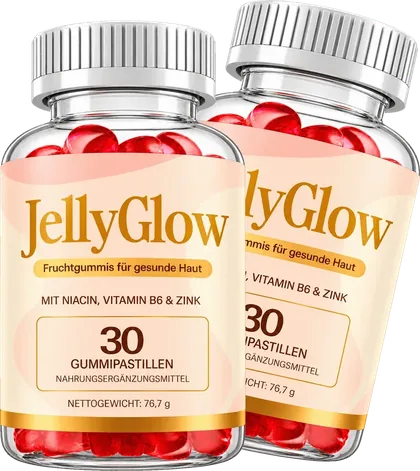
JellyGlow Gummies side effects have not been studied for the product itself, so the only guide is what health sources say about each ingredient: upset stomach, headache, trouble sleeping, dizziness and, with some niacin forms, flushing. Most of those reports involve doses far larger than one gummy holds.
This page goes ingredient by ingredient, compares the label amount with the doses behind each report, and ends with what to do if you feel unwell. We are an independent information site, not the maker or seller, and we do not have reports from buyers to share.
Keep one point in mind as you read. A side effect listed for an ingredient tells you what researchers or clinicians have seen with that ingredient, often at much larger doses or in other products. It does not mean JellyGlow will cause it, and it does not mean JellyGlow cannot. It is a list of things to watch for, so you can spot a pattern early and talk to your doctor.
01What side effects are linked to JellyGlow Gummies ingredients?
The side effects named in health sources for JellyGlow Gummies ingredients are mostly digestive or sleep-related. None of these sources tested JellyGlow itself.
| Ingredient (per gummy) | Side effects named in the source | Dose behind the report |
|---|---|---|
| Niacin as nicotinamide, 25 mg NE | Flushing (with nicotinic acid); diarrhea, easy bruising | Flushing at 30 mg+ nicotinic acid; others at 500 mg+ nicotinamide |
| Zinc, 1.5 mg | Nausea, dizziness, headaches, stomach upset, vomiting | Intakes above the 40 mg upper limit |
| L-carnitine, 25 mg | Nausea, vomiting, stomach symptoms, fishy body odor | About 3 g a day |
| Panax ginseng, 2 mg (20:1) | Insomnia most common | Typical supplement use |
| Rhodiola, 1 mg (20:1) | Dizziness, headache, trouble sleeping, dry mouth | Typical supplement use |
| L-citrulline, 35 mg | Upset stomach | Typical supplement use |
| Maca, 195 mg (20:1) | Menstrual changes, moodiness, cramps, stomach irritation, insomnia | Clinician reports |
Amounts are from the label1. The sections below give the source for each row. Grape seed extract is left out of the table because NCCIH describes it as generally well tolerated.
02Can JellyGlow Gummies cause flushing?
Flushing is unlikely from the niacin form in JellyGlow Gummies. The label lists nicotinamide, and the NIH ties flushing mainly to nicotinic acid at 30 mg or more.
Niacin flushing feels like burning, tingling or itching, with red skin on the face, arms or chest. The NIH says nicotinamide has fewer side effects than nicotinic acid2. The ingredient list on the wrap names nicotinamide, not nicotinic acid1.
The NIH links very high nicotinamide intakes, around 500 mg a day or more, to diarrhea and easy bruising2. One gummy holds 25 mg NE, a small fraction of that. The bigger question is what else you take. A B-complex or multivitamin could add niacin, sometimes as nicotinic acid, and that is the more likely source of a flush. Read more on our niacin page.
03Could JellyGlow Gummies upset your stomach?
A mild upset stomach is possible, because several ingredients list it as a side effect. The doses behind most of those reports are much higher than one gummy.
- Zinc. The NIH lists nausea, vomiting, stomach upset and reduced appetite when intake runs too high3. The gummy holds 1.5 mg against a 40 mg upper limit.
- L-carnitine. About 3 g a day can cause nausea, vomiting and other stomach symptoms, plus a fishy body odor4. The gummy holds 25 mg.
- L-citrulline. WebMD names upset stomach as its common side effect5.
- Maca. Memorial Sloan Kettering's clinician section lists stomach irritation among reports6.
The gummy also contains glucose syrup, sugar and citric acid, the same base as many fruit gummies. Some people find that taking a gummy after a meal sits better than on an empty stomach, and the seller page suggests after breakfast as an example. If stomach trouble keeps coming back, stop and ask your doctor.
04Can JellyGlow Gummies give you a headache or dizziness?
Headache and dizziness appear in the sources for two ingredients, rhodiola and zinc. Neither source studied amounts as small as those in one gummy.
NCCIH lists dizziness, headache, trouble sleeping, dry mouth and excess saliva as rhodiola side effects7. It also says research on rhodiola is mostly of low to moderate quality. The gummy holds 1 mg of a 20:1 extract.
The NIH lists headaches and dizziness among the signs of too much zinc3. That applies to high intakes, so check whether another product you take adds zinc.
Dizziness can also come from low blood pressure, and L-citrulline may lower it. If you feel faint, especially while taking blood pressure or ED medicine, stop and get medical advice. Our medicines page explains those combinations.
05Could JellyGlow Gummies affect your sleep?
Yes, possibly. Trouble sleeping is listed for three JellyGlow Gummies ingredients: Panax ginseng, rhodiola and maca.
NCCIH says insomnia is the most common side effect of Asian ginseng8. Rhodiola lists trouble sleeping too7, and Memorial Sloan Kettering's clinician section mentions insomnia among maca reports6.
The amounts are small: 2 mg of ginseng extract, 1 mg of rhodiola extract and 195 mg of maca extract. Still, if you notice poor sleep after starting the gummies, a practical step is to take your gummy in the morning, as the seller page's example of after breakfast suggests. If sleep stays poor, stop and talk to your doctor. More about the ginseng in the gummy is on our ginseng page.
06Are there rarer JellyGlow Gummies reactions to know about?
Yes. Rare but serious reactions are named for Panax ginseng, and some reports exist for maca. These call for prompt medical help, not waiting to see.
NCCIH lists rare severe rash, liver damage and allergic reactions for Asian ginseng8. It also notes ginseng may worsen autoimmune disorders and interfere with blood clotting. Maca reports include menstrual changes, moodiness and cramps6, though the patient section says side effects were not reported.
Get help at once for any of these warning signs:
- A severe or spreading rash
- Swelling of the face, lips or throat
- Trouble breathing
- Fainting or strong dizziness
- Yellow skin or eyes
07What should you do if you react to JellyGlow Gummies?
Stop taking the gummies and contact your doctor. For severe symptoms, call emergency services.
- Stop the gummies and note the time of your last one.
- Write down your symptoms, when they started and anything else you took that day.
- Keep the jar. The lot number and best-before date are on its base.
- Call your doctor or pharmacist, and bring the jar to any visit.
- Report the problem to the FDA through MedWatch, which accepts reports from consumers and health workers9.
- If you want a refund, contact the order desk listed on our customer support page.
Do not restart the gummies until your doctor says it is fine. Never stop or change a prescribed medicine to work around a reaction.
08Do other supplements raise the chance of JellyGlow Gummies side effects?
Yes. Most side effects in the sources depend on dose, and other supplements add to the dose you get from JellyGlow Gummies.
Think about the three nutrients first. A multivitamin, a B-complex or a hair, skin and nail product may add niacin, vitamin B6 and zinc. Together with one gummy, the niacin total can pass the 35 mg adult upper limit for supplements that the NIH sets2. Zinc from several products can creep toward the levels where the NIH lists nausea and headaches3.
Plant extracts can stack too. A separate ginseng, maca or rhodiola product taken alongside the gummy raises your intake of the same plant, and with it the sleep and stomach complaints named above.
A quick review helps:
- Read every supplement label you use and note any repeat ingredients.
- Look for niacin, B6, zinc, ginseng, maca, rhodiola, citrulline and carnitine.
- If anything appears twice, ask a pharmacist whether to keep both.
Our ingredients page shows the full JellyGlow list in label order, which makes this comparison easier.
09Why there are no JellyGlow Gummies side effect reports from buyers here
We do not share buyer stories about JellyGlow Gummies side effects, because we have no verified ones. The seller page says it shows no customer reviews yet because the product is new10.
That means nobody can tell you from experience how common any reaction is with this product. What we can do is show you which ingredients carry which warnings, and at what doses. If you want the full safety picture, including upper limits and label warnings, read our safety page.
If a page tells you JellyGlow cannot cause any reaction at all, be wary of it. Every ingredient in the gummy has at least some reported side effects or unknowns in the health sources we use, and the label itself carries warnings for a reason.
Tool
Check-first screener
Tick anything that applies. You get a short list of questions to take to your doctor or pharmacist. Nothing is sent anywhere.
Nothing ticked yet. Even so, the label says to consult a physician if you take medication or have a medical condition.
Safety: JellyGlow is for adults 18 and over. The label says it is not for pregnant or nursing women. Its vitamins add up with other supplements, and it lists botanicals with limited safety data, including ginseng and L-citrulline, which can matter with medicines for blood sugar, blood pressure or erectile dysfunction. If you have a medical condition or take any medicine, ask your doctor or pharmacist before use. Never change a prescribed medicine on your own. Stop and get medical help for a severe rash, swelling, trouble breathing, fainting, or yellow skin or eyes.
Frequently asked questions
What are the most common JellyGlow Gummies side effects?
There is no data on the product itself. The ingredient sources most often name upset stomach and trouble sleeping, usually at doses higher than one gummy.
Can JellyGlow Gummies cause a headache?
Headache is listed for rhodiola and for too much zinc. The gummy holds small amounts of both, but stop and ask your doctor if headaches start after you begin.
What helps if JellyGlow Gummies give me stomach upset?
Stop the gummies and talk to your doctor if it continues. Zinc, L-carnitine, L-citrulline and maca all list stomach complaints in health sources.
Can JellyGlow Gummies cause trouble sleeping?
Possibly. Ginseng, rhodiola and maca all list sleep problems, so taking the gummy in the morning is a sensible first step, and talk to your doctor if it continues.
Do JellyGlow Gummies cause flushing like niacin pills?
It is less likely, because the label lists nicotinamide and the NIH links flushing mainly to nicotinic acid. Check other products you take for nicotinic acid.