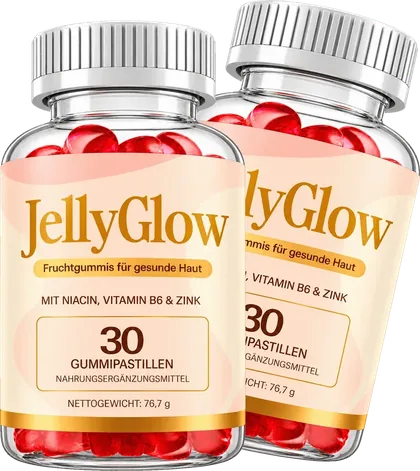
JellyGlow Gummies maca root content is 195 mg of a 20:1 maca root extract per gummy, the largest amount of any active ingredient on the label1. It is listed with no NRV, because no daily reference value exists for maca.
Maca (Lepidium meyenii) is a root vegetable from the Andes, and the seller page describes its origin that way2. In the ingredient list it comes right after water and sugar, ahead of the gelling agent and every vitamin. That position tells you maca is the main botanical in the gummy by weight.
This page explains what "20:1" means, what the research on maca does and does not show, the side effects that have been reported, and the groups who should talk to a doctor first. We are an independent information site. Nothing here says what JellyGlow will do for you.
01How much maca is in one JellyGlow Gummies serving?
One JellyGlow Gummies serving lists 195 mg of maca root 20:1 extract1. That is more than five times the next-largest active, L-citrulline at 35 mg.
The panel marks maca with a double asterisk, which the label explains as "No NRV established". Vitamins and minerals have reference values; botanicals do not. So there is no percentage to compare, only the milligram figure and the extract ratio.
The table shows how maca compares with the other botanicals and amino acids on the same panel.
| Ingredient on the panel | Amount per gummy | Extract ratio |
|---|---|---|
| Maca root extract | 195 mg | 20:1 |
| L-citrulline | 35 mg | None stated |
| L-carnitine | 25 mg | None stated |
| Panax ginseng root extract | 2 mg | 20:1 |
| Grape seed extract | 2 mg | 20:1 |
| Rhodiola rosea root extract | 1 mg | 20:1 |
All figures come from the label1. You can compare every ingredient side by side on the ingredients page.
02What does the 20:1 ratio on JellyGlow Gummies maca mean?
A 20:1 ratio usually means that about 20 parts of raw material were used to make 1 part of finished extract. It describes how concentrated the extract is, not how much of any specific compound it contains.
It is tempting to multiply 195 mg by 20 and call the result a dose of dried root. We do not do that, for three reasons:
- The label does not say whether the starting root was fresh or dried.
- It does not say which solvent or method was used, which changes what ends up in the extract.
- It does not name a marker compound or a standardized amount of one.
So the honest reading is simple: the gummy contains 195 mg of a concentrated maca extract, and the label gives no further detail. If you want the full specification, ask the seller for it before you buy. Our extract ratios page explains how to read these numbers across all four botanicals in the gummy.
03What does research say about maca, apart from JellyGlow Gummies?
Human research on maca is thin: only a few small clinical trials exist, according to Memorial Sloan Kettering Cancer Center3. The evidence it reviews for sexual function and for menopausal symptoms is rated as limited.
The same source notes that one review found maca is not an effective agent against aging3. That matters because maca is often marketed on skin-and-age themes, and the seller page itself says the gummy is not meant to remove wrinkles2.
Limited evidence does not mean maca is harmful, and it does not mean it works. It means the studies are too few and too small to say much. None of the research we hold used JellyGlow, its extract or its amount, so it tells you nothing about what this gummy will do for you. The wider picture for all the ingredients is on the benefits page.
04What side effects have been reported with maca?
The patient section of the Memorial Sloan Kettering page says side effects have not been reported. Its clinician section, however, lists reports of menstrual changes, moodiness, cramps, stomach irritation and insomnia3.
Those two statements sit side by side because the clinician section includes individual reports, not just trial results. Neither says much about how often anything happens, because the research base is small.
- Menstrual changes
- Moodiness
- Cramps
- Stomach irritation
- Insomnia
If you notice any of these after starting a supplement that contains maca, stop taking it and talk to a doctor or pharmacist. For a severe rash, swelling, trouble breathing, fainting, or yellow skin or eyes, get medical help straight away. Our side effects page lists warning signs for every ingredient together.
05What should you ask the seller about JellyGlow Gummies maca?
Ask for the details the label leaves out. The panel gives an amount and a ratio, but not the type of maca, the extraction method or any standardization1.
Maca roots come in several colors, often sold as yellow, red or black maca, and extracts can be made with water, alcohol or other solvents. Those choices change what ends up in the finished extract. A seller who stands behind an ingredient should be able to answer plain questions about it. Useful ones include:
- Which part of the plant and which color of maca root is used?
- Is the 20:1 ratio based on fresh or dried root?
- Which solvent is used to make the extract?
- Is the extract standardized to any compound, and at what level?
- Is a certificate of analysis available for the batch on your jar?
Send questions to the order desk listed on the label, the Digistore24 helpdesk. Keep any answer in writing. If no answer comes, you still have the label facts above, and you can decide with your doctor or pharmacist whether 195 mg of an unspecified maca extract fits your situation. Our bottle check page shows where the lot number and best-before date sit on the jar.
06Who should ask a doctor before taking JellyGlow Gummies because of maca?
Anyone with a hormone-sensitive cancer, such as breast or uterine cancer, should talk to their care team before taking maca3. People who are pregnant or breastfeeding should avoid it, as maca may not be safe for them.
The JellyGlow label already says the product is not for anyone under 18 or for pregnant or nursing mothers1. The maca source adds the cancer point, which the label does not spell out. Here is a short list of people who should check first:
- Anyone with, or with a history of, a hormone-sensitive cancer.
- Anyone pregnant, trying to conceive, or breastfeeding.
- Anyone who takes losartan or other blood pressure medicine.
- Anyone due for hormone blood tests.
- Anyone who takes prescription medicine or has a medical condition.
Never stop or change a medicine because of a supplement. Take the jar or a photo of the label to the appointment so the whole ingredient list is seen. The who it's for page covers the label's own limits.
07Can JellyGlow Gummies maca affect medicines or lab tests?
Two points come up in the Memorial Sloan Kettering review. Maca increased the effect of losartan, a blood pressure medicine, in rats, and it may interfere with testosterone lab tests3.
The losartan finding comes from animal research, and its relevance to people is unknown. It is still worth mentioning, because rhodiola, another ingredient in the gummy, has a reported interaction with losartan too. Two ingredients with the same flag is a good reason to ask your pharmacist.
The lab test point is practical. If your doctor orders hormone blood work, tell them about every supplement you take, including this gummy, so they can read the results with that in mind. The medications page lists all the known interaction flags for the gummy in one place.
08Is JellyGlow Gummies maca suitable for women?
There is no single answer, because it depends on the person. The label rules out pregnant and nursing mothers, and the maca source flags hormone-sensitive cancers and menstrual changes3.
For other adult women, the main facts are the ones above. Evidence on menopausal symptoms is limited, side effects in clinician reports include menstrual changes and cramps, and nothing we hold tested this gummy. A doctor or pharmacist who knows your history can say whether maca makes sense for you.
The same caution applies to men. The evidence on sexual function is limited too, and the testosterone lab test point applies to anyone having hormone blood work. Other botanicals in the gummy, including ginseng, have their own cautions worth reading.
Safety: JellyGlow is for adults 18 and over. The label says it is not for pregnant or nursing women. Its vitamins add up with other supplements, and it lists botanicals with limited safety data, including ginseng and L-citrulline, which can matter with medicines for blood sugar, blood pressure or erectile dysfunction. If you have a medical condition or take any medicine, ask your doctor or pharmacist before use. Never change a prescribed medicine on your own. Stop and get medical help for a severe rash, swelling, trouble breathing, fainting, or yellow skin or eyes.
Frequently asked questions
What is the maca dose in JellyGlow Gummies?
Each JellyGlow gummy lists 195 mg of maca root 20:1 extract . It is the largest active ingredient in the gummy, and no daily reference value exists for maca.
What does 20 to 1 mean on the JellyGlow maca extract?
It usually means about 20 parts of raw root went into 1 part of extract. The label does not say how the extract was made or standardized, so it cannot be turned into an exact amount of root.
Does the maca in JellyGlow affect hormones?
No source we hold tested JellyGlow for that. Memorial Sloan Kettering advises people with hormone-sensitive cancers to talk to a provider before using maca, and notes it may interfere with testosterone lab tests.
What are the maca side effects to watch for with JellyGlow?
Clinician reports for maca mention menstrual changes, moodiness, cramps, stomach irritation and insomnia . Stop and ask a doctor or pharmacist if you notice any of these.
Is JellyGlow maca safe for women who are pregnant or breastfeeding?
No. The JellyGlow label says it is not for pregnant or nursing mothers, and maca may not be safe in pregnancy or breastfeeding.