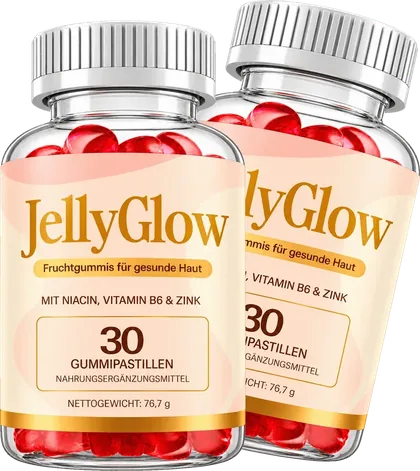
JellyGlow Gummies vitamin B6 content is 2 mg per gummy, listed as 143% of the EU Nutrient Reference Value and supplied as pyridoxine hydrochloride1. Against the US Daily Value of 1.7 mg2, that works out to about 118%, by our arithmetic.
Vitamin B6 is an unusual case because two respected bodies set very different upper limits for it. This page explains both, shows how 2 mg sits next to the daily recommendation for your age group, and covers the nerve and medicine cautions that come up with B6 supplements. We are an independent information site, not the maker or seller, and the general facts here say nothing about what JellyGlow will do for you.
01How much vitamin B6 is in JellyGlow Gummies?
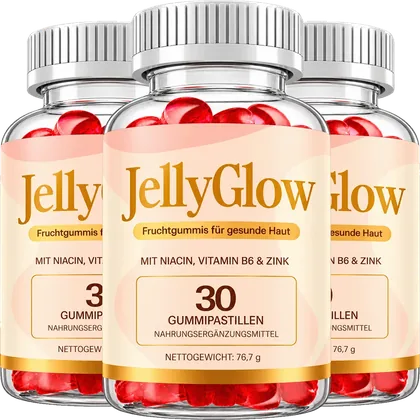
Each JellyGlow Gummies serving lists 2 mg of vitamin B6, shown as 143% NRV1. The serving is one gummy, and the label suggests one gummy once a day for adults.
The two percentages you may see for this one number come from two different reference values:
- 143% NRV is printed on the label and uses the EU Nutrient Reference Value.
- About 118% DV is our calculation using the US Daily Value of 1.7 mg2.
Neither figure is wrong. They simply measure against different benchmarks. The US Daily Value for B6 is higher than the EU reference, so the US percentage looks smaller. If you compare JellyGlow with a US-labeled product, use the milligrams rather than the percentages, since 2 mg is 2 mg on any label. Our nutrition facts page converts every vitamin and mineral on the panel the same way.
02What form of vitamin B6 do JellyGlow Gummies list?
JellyGlow Gummies list pyridoxine hydrochloride, which appears near the end of the ingredient list1. It is one of the most common forms of vitamin B6 in supplements.
The nutrition panel just says "Vitamin B6". You only see the chemical name in the ingredient list, between zinc citrate and the Panax ginseng extract. Because ingredients are listed by weight from most to least, its late position tells you there is very little of it by weight, which matches the 2 mg figure.
Knowing the name helps when you check other products. Multivitamins and B-complex tablets may list vitamin B6 as pyridoxine, pyridoxine hydrochloride or pyridoxal 5'-phosphate. All of these count toward your daily vitamin B6 total. You can see where pyridoxine sits among the other components on the ingredients page.
03How does JellyGlow Gummies B6 compare with the RDA for your age?
One JellyGlow Gummies serving gives more vitamin B6 than the RDA for every adult group. The RDA is 1.3 mg for adults aged 19 to 50, 1.7 mg for men 51 and older, and 1.5 mg for women 51 and older3.
The RDA covers the needs of nearly all healthy people in each group. It is a floor for adequate intake, not a number you need to exceed. The table below sets 2 mg against each adult RDA.
| Adult group | RDA for vitamin B6 | One gummy (2 mg) compared |
|---|---|---|
| Adults 19 to 50 | 1.3 mg | About 1.5 times the RDA |
| Women 51 and older | 1.5 mg | About 1.3 times the RDA |
| Men 51 and older | 1.7 mg | About 1.2 times the RDA |
The multiples are our own arithmetic. The label does not allow use by anyone under 181, so younger age groups are left out on purpose. Food adds more B6 on top of this, since it is found in fish, poultry, potatoes, chickpeas and many fortified cereals.
04What are the upper limits for vitamin B6, and where do JellyGlow Gummies sit?
The US upper limit for adults is 100 mg of vitamin B6 a day, and the European Food Safety Authority set a lower limit of 12 mg a day in 20233. One JellyGlow Gummies serving lists 2 mg, far below both.
The gap between 100 mg and 12 mg matters if you live in or buy from Europe, or if you follow European guidance. It shows that experts have reached different views on how much long-term B6 is comfortable. The 12 mg figure is the stricter of the two, so it is the more cautious number to keep in mind when you add up your supplements.
With 2 mg from one gummy, you would have about 10 mg of room under the European figure before reaching it. A single high-dose B6 tablet, or a B-complex that lists 10 mg or more, could close that gap on its own. Taking more than one gummy a day is not what the label directs1, and would double the amount.
05Can vitamin B6 harm your nerves, and does that apply to JellyGlow Gummies?
High-dose vitamin B6 from supplements, taken for a year or more, can cause severe nerve damage3. That risk is linked to high long-term doses, which are many times the 2 mg in one JellyGlow Gummies serving.
The NIH fact sheet adds that the nerve problems usually stop when people stop taking the high-dose supplement3.
The point for most readers is not the gummy alone. It is the total from everything you take, over months and years. Here is a simple routine:
- List every supplement you use and its vitamin B6 amount.
- Add them up as a daily total.
- Compare that total with 12 mg if you want the cautious European figure, or 100 mg for the US limit.
- Ask a pharmacist if your total is near either number.
If you notice numbness or tingling, stop taking supplements that contain B6 and see a doctor. The side effects page covers other symptoms to watch for across the whole gummy.
06Where else might vitamin B6 hide in your JellyGlow Gummies routine?
Vitamin B6 often turns up in products you might not think of as B6 supplements. Multivitamins, B-complex tablets, hair, skin and nail blends, sleep and stress formulas, and some fortified drinks can all contain it.
That matters because the cautious European limit of 12 mg leaves room for only about 10 mg more once you take one gummy. A few products together can reach that without any single label looking high. Some B-complex tablets contain many times more B6 per tablet than one gummy provides, so read each label rather than guessing.
When you read another label, look for these words in both the nutrition panel and the ingredient list:
- Vitamin B6
- Pyridoxine or pyridoxine hydrochloride
- Pyridoxal 5'-phosphate, sometimes shortened to P5P
Write the milligrams down, add 2 mg for JellyGlow, and keep the total with your medicine list. A pharmacist can check the sum in a minute. If you would rather not stack products at all, that is a reasonable choice too. The safety page explains how the vitamins and minerals in the gummy add up with other products.
07Which medicines interact with the vitamin B6 in JellyGlow Gummies?
Vitamin B6 can interact with cycloserine, a tuberculosis antibiotic, with some epilepsy medicines, and with theophylline, a breathing medicine3. These are the B6 interactions named by the NIH consumer fact sheet.
The epilepsy link deserves extra attention. Another ingredient in the gummy, L-carnitine, is also lowered by some seizure medicines, so people who take them have two ingredients to discuss, not one. Please bring the jar or a photo of the label to your pharmacist, so they can see the whole list.
Never change or stop a medicine on your own because of a supplement. Anyone who takes prescription medicine, has a medical condition, or is pregnant or nursing should ask a doctor or pharmacist before using JellyGlow. The medications page lists interactions for every ingredient in one table.
08What does the B6 tiredness claim mean for JellyGlow Gummies?
The seller page shows an EU-style nutrient claim that links vitamin B6 with tiredness and fatigue4. It is the seller's wording, describing what the nutrient does in general, not a result promised for this gummy.
In the EU, certain short claims about vitamins and minerals may be printed when a product contains enough of the nutrient. Those claims describe the nutrient's normal role. They are not test results for a branded product, and no study we hold looked at JellyGlow itself.
Feeling tired for weeks can have many causes, from sleep and stress to iron levels, thyroid problems and medicines. A gummy is not a way to find out which one applies to you. If tiredness is new or lasting, see a doctor. You can read how the EU wording on the jar works on the EU label page.
Tool
Vitamin stack check
Type what your other supplements give you per day (from their labels). See your total with one JellyGlow gummy against the US adult upper limit. Nothing is sent anywhere.
Safety: JellyGlow is for adults 18 and over. The label says it is not for pregnant or nursing women. Its vitamins add up with other supplements, and it lists botanicals with limited safety data, including ginseng and L-citrulline, which can matter with medicines for blood sugar, blood pressure or erectile dysfunction. If you have a medical condition or take any medicine, ask your doctor or pharmacist before use. Never change a prescribed medicine on your own. Stop and get medical help for a severe rash, swelling, trouble breathing, fainting, or yellow skin or eyes.
Frequently asked questions
What is the B6 amount in JellyGlow Gummies?
Each JellyGlow gummy lists 2 mg of vitamin B6, shown as 143% of the EU reference . Against the US Daily Value of 1.7 mg, that is about 118%, by our arithmetic.
Is the pyridoxine in JellyGlow the same as vitamin B6?
Yes. Pyridoxine hydrochloride is a common supplement form of vitamin B6, and it is the form named in the JellyGlow ingredient list.
Is JellyGlow under the B6 upper limit?
Yes, on its own. One gummy lists 2 mg, while the US upper limit is 100 mg a day and the European limit set in 2023 is 12 mg a day , but count any other B6 you take.
Can the B6 in JellyGlow cause nerve damage?
Severe nerve damage is linked to high-dose B6 supplements taken for a year or more, far above 2 mg a day. Your total from all supplements is what counts, so ask a pharmacist if you take other B6 products.
Does JellyGlow's B6 tiredness claim mean the gummy will make me less tired?
No. The seller page's tiredness wording describes vitamin B6's general role, and it tells you nothing about what JellyGlow will do for you.