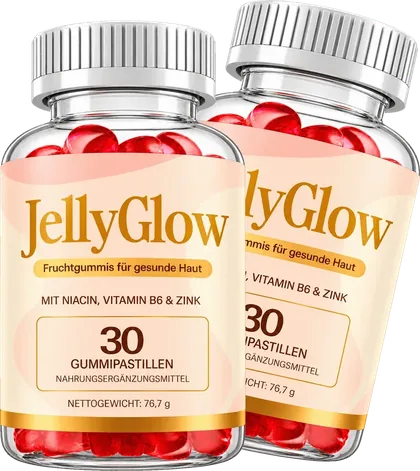
JellyGlow Gummies niacin flush is a fair worry to check, and the label gives the key fact: the niacin is listed as nicotinamide, at 25 mg NE per gummy1.
The NIH links flushing, meaning burning, tingling, itching and red skin, to nicotinic acid at 30 mg or more, and says nicotinamide has fewer side effects2. That is a reason to read the form on the label, not a promise about what will happen to you. We found no source that tested this gummy for flushing. This page lays out what is known, what is not, and when to stop and ask for help. We are an independent information site, not the seller.
01What is a niacin flush?
A niacin flush is a short episode of burning, tingling, itching or red skin, which the NIH links to nicotinic acid at 30 mg or more2.
It is a known side effect of that form, not a sign of an allergy by itself. It can still feel alarming, particularly the first time, and some people find it hard to tell from a reaction that does need attention. That is why the warning signs later on this page matter.
Niacin is also called vitamin B3. The NIH says it helps the body turn food into usable fuel and supports cell development and function2. The flush is a separate matter, and the NIH does not describe it as a sign that anything is working.
02Which form of niacin is in JellyGlow Gummies?
The ingredient list names nicotinamide, and the panel gives niacin (B3) as 25 mg NE per gummy1. NE stands for niacin equivalents.
| Point | What the sources say |
|---|---|
| Form on the JellyGlow label | Nicotinamide1 |
| Form linked to flushing | Nicotinic acid, at 30 mg or more2 |
| Form with fewer side effects | Nicotinamide, per the NIH2 |
| Upper limit from supplements | 35 mg a day for adults2 |
| Per gummy | 25 mg NE, about 156% of the EU reference value |
Fewer is not none. The NIH wording is comparative, and we cannot tell you your own response. Our niacin page has the full detail.
03Can stacking supplements cause a flush with JellyGlow Gummies?
Stacking can raise your total niacin past the point the NIH sets as an upper limit, so a second product containing niacin is the likeliest way to run into trouble.
One gummy is 25 mg NE, below the 35 mg upper limit for supplements2. A multivitamin, B-complex or hair-skin-nail product alongside it could push the total over, and if that product uses nicotinic acid the flushing threshold of 30 mg is closer. If you take only the gummy and no other niacin, you are below both figures, although the NIH figures are for adults in general and not for you personally.
Read every label, including products that do not look like vitamins, such as fortified drinks or bars. Add the niacin, and take the sum to a pharmacist if you are close. Our safety page explains stacking across the other nutrients.
04What should you do if your skin flushes after JellyGlow Gummies?
Note what happened and when, and ask your doctor or pharmacist about it. Do not assume it is harmless, and do not assume it is dangerous.
- Write down the date, how many gummies you took and what else you took that day.
- Check the labels of any other niacin-containing product.
- Phone your pharmacist or doctor and describe it.
- Report a bad reaction through the FDA MedWatch program3.
Get medical help straight away for a severe rash, swelling, trouble breathing, fainting or dizziness, or yellow skin or eyes. The botanicals have their own notes: rhodiola can cause dizziness and headache4, and ginseng most often causes trouble sleeping5, so a mix of symptoms is worth describing in full. Tell the clinician the exact product, the amount and the time of day you took it. Keep the jar, because the lot number and best-before date are on its base, and your pharmacist may want to see the panel.
05Who should ask a professional before taking JellyGlow Gummies?
Anyone pregnant, nursing, under 18, with a medical condition or taking a medicine should ask a doctor or pharmacist first, as the label says1.
For niacin in particular, the NIH says some tuberculosis medicines can lower niacin levels, and it tells people to inform their doctor or pharmacist about supplements2. We do not suggest changing any medicine. We suggest asking, and bringing the jar so the pharmacist can read the niacin line and the rest of the panel for themselves.
Do not exceed one gummy a day. The seller page also gives the directions as one gummy once a day6. For the full picture of side effects across all nine ingredients, see our side effects page, and for the directions see how to use.
Safety: JellyGlow is for adults 18 and over. The label says it is not for pregnant or nursing women. Its vitamins add up with other supplements, and it lists botanicals with limited safety data, including ginseng and L-citrulline, which can matter with medicines for blood sugar, blood pressure or erectile dysfunction. If you have a medical condition or take any medicine, ask your doctor or pharmacist before use. Never change a prescribed medicine on your own. Stop and get medical help for a severe rash, swelling, trouble breathing, fainting, or yellow skin or eyes.
Frequently asked questions
Can the niacin in JellyGlow Gummies make my face flush?
We cannot say. The NIH links flushing to nicotinic acid at 30 mg or more, and JellyGlow lists nicotinamide at 25 mg NE, but no source tested this gummy.
Which niacin form does the JellyGlow Gummies ingredient list name?
The ingredient list names nicotinamide. The NIH says nicotinamide has fewer side effects than nicotinic acid, but that does not guarantee you will not flush.
Is one JellyGlow gummy's 25 mg NE of niacin under the NIH ceiling?
One gummy has 25 mg NE of niacin. The NIH upper limit for adults from supplements is 35 mg a day, so other niacin products could push you over.
When should I call a doctor about flushing from JellyGlow Gummies?
Call for a severe rash, swelling, trouble breathing, fainting or yellow skin or eyes. For milder flushing, describe it to your pharmacist or doctor.