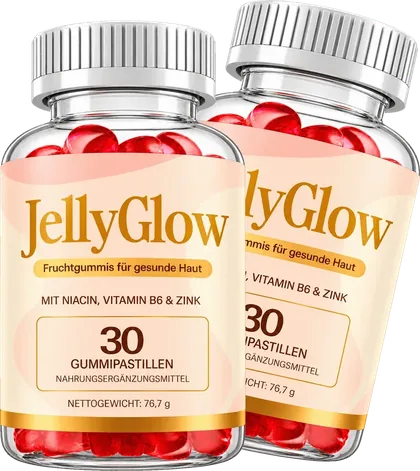
JellyGlow Gummies vs retinol is a comparison of two different kinds of product: JellyGlow is a gummy you chew, sold as a food supplement, while retinol is a skincare ingredient used in products you apply to the skin.
Because they are different kinds of product, we do not compare their effects, and neither label gives a basis to. This post covers what the JellyGlow label says it is, what the seller says it does not promise, and the questions to put to a doctor or pharmacist if you use, or are thinking of using, both. We are an independent information site and not the seller.
01What kind of product is JellyGlow Gummies?
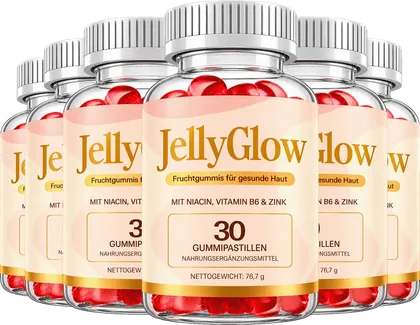
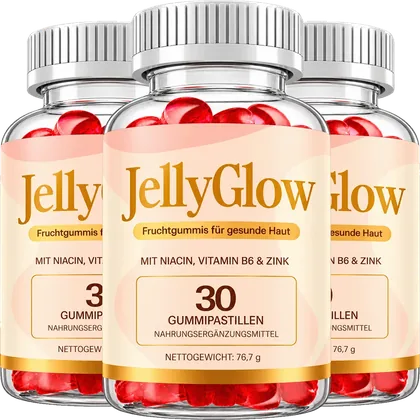
JellyGlow Gummies is a chewable food supplement: 30 gummies in a jar, one gummy once a day for adults, according to the label1.
The seller page says the same: fruit gummies, 30 per jar, net weight 76.7 g, one jar lasting 30 days2. It is something you swallow. It is not a cream, a serum or an injection, and the seller states it is not a medicine2.
That one fact settles most of the confusion. A product that goes through digestion and one that stays on the surface of the skin are handled differently, are regulated as different things, and carry different cautions.
02How do the two products differ on paper?
On paper they differ in form, use and where their facts live. The table sets out what we can state about JellyGlow and what you need to read for a retinol product.
| Question | JellyGlow Gummies | A retinol skincare product |
|---|---|---|
| Form | Chewable gummy | Read the package |
| Use | 1 gummy a day, adults only | Follow its own directions |
| Category | Food supplement | Check the label |
| Key listed actives | Niacin, B6, zinc and extracts | Read the ingredient list |
| Who to ask | Doctor or pharmacist | Doctor, pharmacist or dermatologist |
The right-hand column is a prompt, not a description. We have not read the label of the product you hold, so the facts there are yours to gather. Take a photo of the front and back of the package, note the directions it gives, and keep that photo next to the JellyGlow label photos. Having both in one place makes any later conversation with a pharmacist quicker and more accurate.
03What does the JellyGlow seller not promise?
The seller page says JellyGlow does not promise a younger look for your skin, is not a Botox alternative and is not meant to remove wrinkles2.
That matters here, because a retinol comparison often assumes a shared goal. The seller does not claim one. The skin line on the front label ties niacin to the maintenance of normal skin, and nothing more; our benefits page explains that wording and its limits.
We therefore do not say JellyGlow works like, instead of or alongside anything. If a video or ad says it does, it is not repeating the label, and look-alike pages using the same name may add claims the seller never made.
04What if you use skincare and JellyGlow Gummies?
If you use both, tell your doctor or pharmacist about each one. The JellyGlow label says to consult a physician before use if you take medication or have a medical condition1.
Skincare can carry its own cautions, especially in pregnancy, and the JellyGlow label says it is not for under 18, pregnant or nursing mothers1. We are not clinicians, so we will not say what is safe for you. Bring the jar and the skincare product, or photos of both labels, to the appointment.
Do not change, pause or stop any medicine or prescribed skin product on the strength of this page. That decision belongs to the person who prescribed it. If a product causes a rash, swelling or trouble breathing, get medical help straight away, and you can report a problem with a supplement to the FDA through MedWatch.
05What should you check on the JellyGlow label before adding it?
Check the amounts per gummy and the ingredient list for anything on your own list of cautions. The nutrition panel lists nine actives1.
- Niacin 25 mg NE: the adult upper limit from supplements is 35 mg a day, so count other products3.
- Zinc 1.5 mg: small, but it adds up with a multivitamin4.
- Ginseng: NCCIH notes possible effects on blood sugar and clotting; ask first if either applies5.
Our safety page and medications page go through the full list. Neither is a substitute for a pharmacist who can see your medicine list.
06How should you weigh the two without a verdict?
Weigh them by asking what you want from each and who is qualified to answer. A label can tell you what is in a jar. It cannot tell you what a product will do for you.
Write down the question you want answered about your skin, then take it to a doctor, pharmacist or dermatologist, who can look at you and your medicines. Our not-Botox page covers another common mix-up. If, after that, you still want to see the JellyGlow pack options, the live checkout shows the pack and total to confirm.
Safety: JellyGlow is for adults 18 and over. The label says it is not for pregnant or nursing women. Its vitamins add up with other supplements, and it lists botanicals with limited safety data, including ginseng and L-citrulline, which can matter with medicines for blood sugar, blood pressure or erectile dysfunction. If you have a medical condition or take any medicine, ask your doctor or pharmacist before use. Never change a prescribed medicine on your own. Stop and get medical help for a severe rash, swelling, trouble breathing, fainting, or yellow skin or eyes.
Frequently asked questions
Is JellyGlow Gummies a retinol product?
No. The JellyGlow label lists niacin, vitamin B6, zinc and six extracts, and it does not list retinol. It is a chewable food supplement, not a skincare item.
Can I use retinol and take JellyGlow Gummies at the same time?
Ask your doctor or pharmacist, since they can see your medicines and skin products. We cannot say what suits you, and neither label gives a plan for combining them.
Does JellyGlow Gummies work like retinol on the skin?
We do not compare effects, because they are different kinds of product. The seller says JellyGlow does not promise a younger look for your skin.
Should I stop my retinol cream before starting JellyGlow Gummies?
We never advise changing or stopping a product or medicine. Ask the person who recommended it, or a pharmacist, before you make any change.